



Qing Dynasty Jade Carving Autumn Mountain Traveler
In this mountain view, an official riding a donkey is followed by his attendant, holding an umbrella; They crossed a simple bridge over the waterfall. Above them, a smaller similar group seemed to be crossing another bridge in a distant place. This type of Yushan originated in the late Ming Dynasty. The characters, trees, bridges, and animals in the background represent the traditional translation of jade carving in orthodox landscape painting. In the paintings of this period, many similar depictions of scholars traveling or contemplating mountain scenery can be found. The theme of harmonious coexistence between humans and nature is favored by Taoists and literati. The sculpture is currently collected in

The Double Phoenix Jade Pendant from the Zhou Dynasty
This jade pendant is from Tomb 60 of Liuli Ri in Hui County, Henan Province, and was buried together with the deceased. This light green jade piece is in the shape of two phoenixes, with a circular overall shape. The hollow carving imitates the shape and decoration of the work. The two sides of the pendant rotate upwards to form the head of a phoenix, while their circular bodies are connected to each other. A carved line surrounds the edge of the decoration, outlining the shape of a phoenix, while the entire piece is filled with curled cloud patterns. The pattern on the back of the pendant does not match its shape, indicating that the pendant was remade from an old piece of jade and is now housed in the National Museum of China.

Popular Models
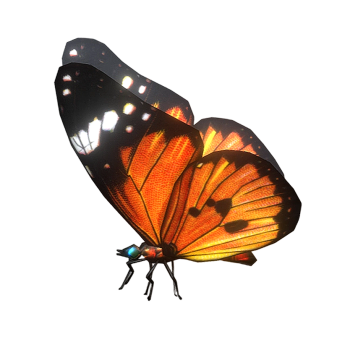
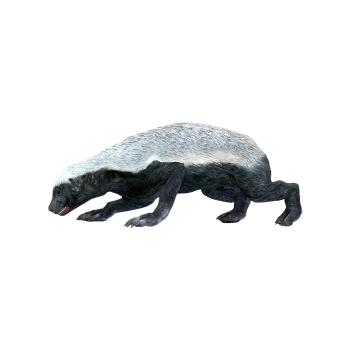
Honey Badger (3D animated model)
192 View
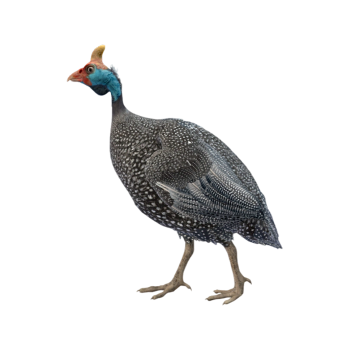
Guinea fowl (3D animated model)
163 View
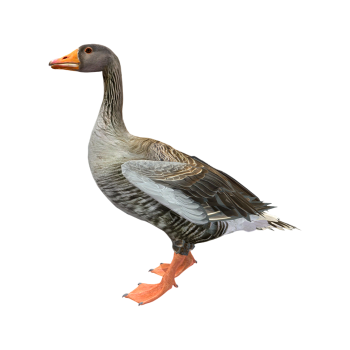
Wild Goose (3D animated model)
185 View
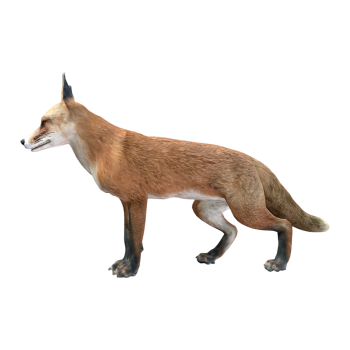
Red Fox (3D animated model)
153 View
Random Model

Nepal Patan Palace Courtyard Fountain
1015 View


Japanese cloisonn é vase
892 View



Diesel generator trailer
923 View

3D model of candy machine
749 View